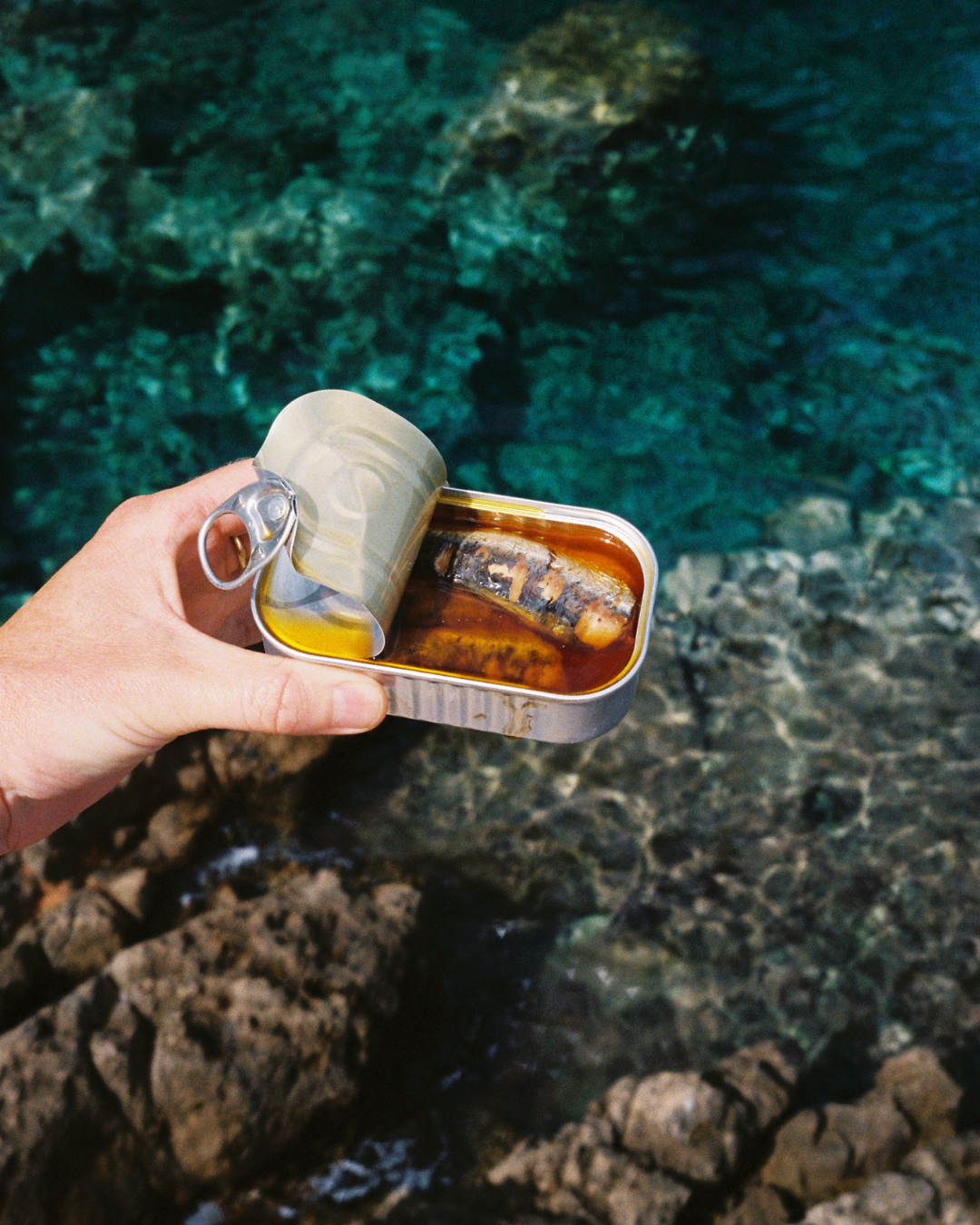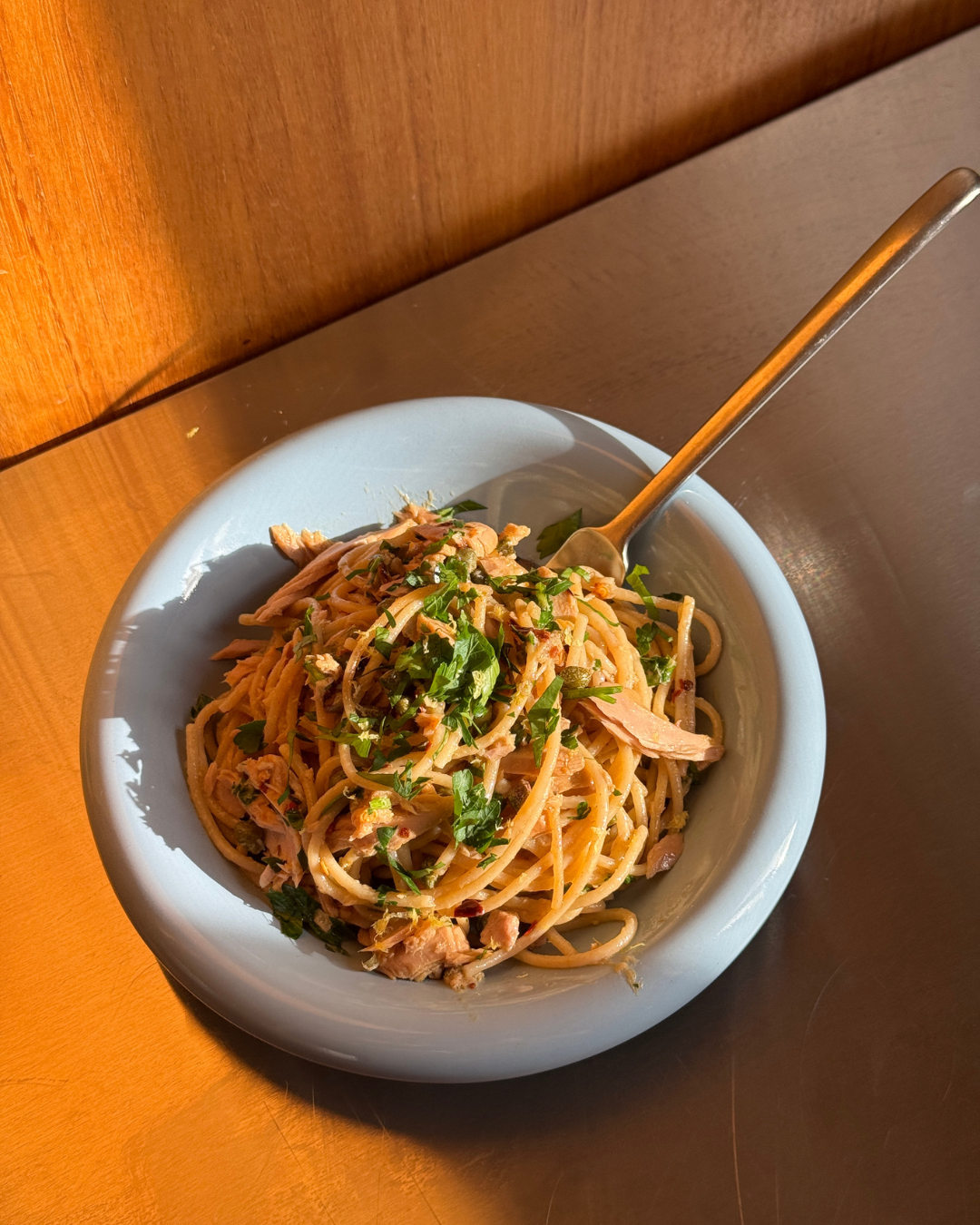

Where does our fish come from?
The Stock Merchant sources sardines, mackerel from the Atlantic off Portugal, tuna from MSC certified fisheries around the world, anchovies from the Cantabrian Sea, oysters from South Korea, and wild pink salmon from Alaska. Four of our six species are MSC certified.
Here's the whole range in one place.
| Fish | Caught or grown | Method | Packed | Certification |
|---|---|---|---|---|
| Sardines | Atlantic, off Portugal | Small-scale purse seine | Portugal | MSC |
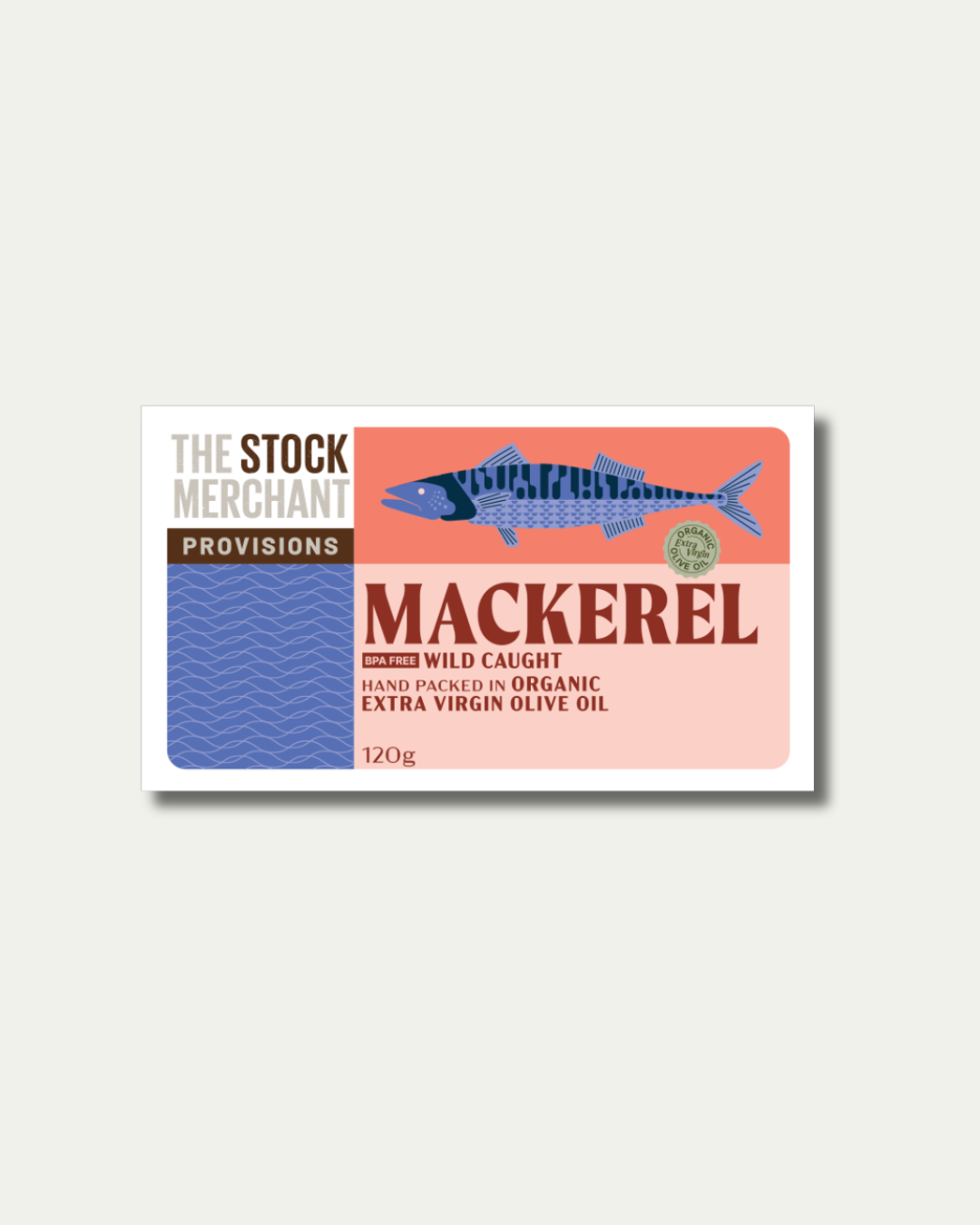
| Mackerel | Atlantic, off Portugal | Small-scale purse seine | Portugal | Wild caught |
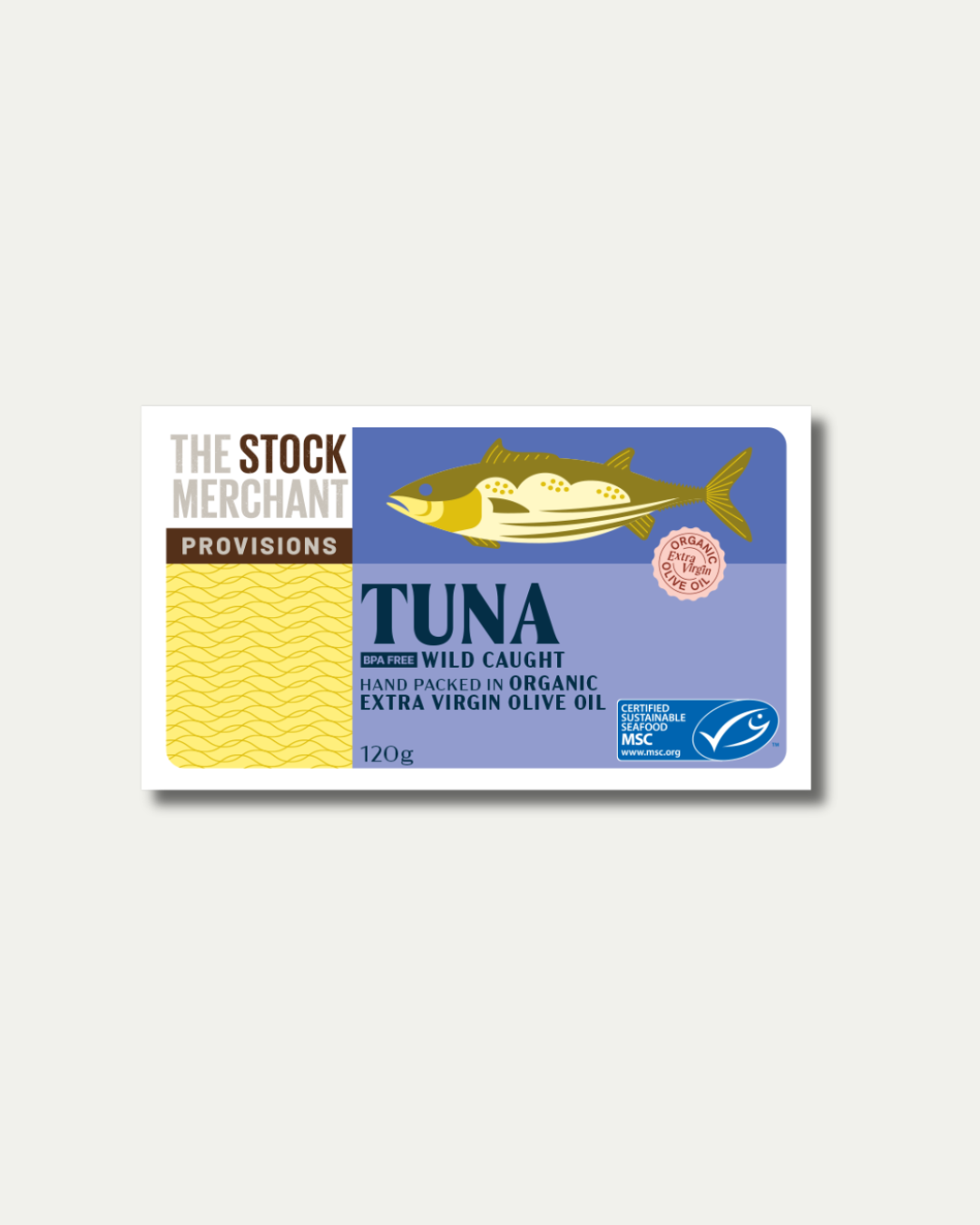
| Tuna | Worldwide | Various sustainable fishing methods | Portugal | MSC |
| Anchovies | Cantabrian Sea | Purse seine | Italy | MSC |
| Oysters | South Korea | Ocean cultivated | South Korea | Ocean-Cultivated |
| Salmon | Alaska | Wild caught | Thailand | MSC |
Now the more interesting question, which is why each of those places.
Why isn't your fish Australian?
Because Australia doesn't have a commercial tinned fish industry any more, which means the economies of scale that keep a tin affordable enough to buy every week, can't be found locally.
We're an Australian company. We'd love the answer to be different. But there is no Australian equivalent of the Portuguese conserva tradition, no fleet supplying sardines for tins rather than for food service, bait and aquaculture feed, and no cannery here that can process small fish the way ours are done.
We say we go where the good food comes from. This is what that phrase actually means in practice. It means Portugal for sardines, because they've been doing it since 1853. It means Alaska for salmon, because along with Canada, it's one of the most rigorously managed wild fisheries in the world.

Portugal: sardines, mackerel and tuna
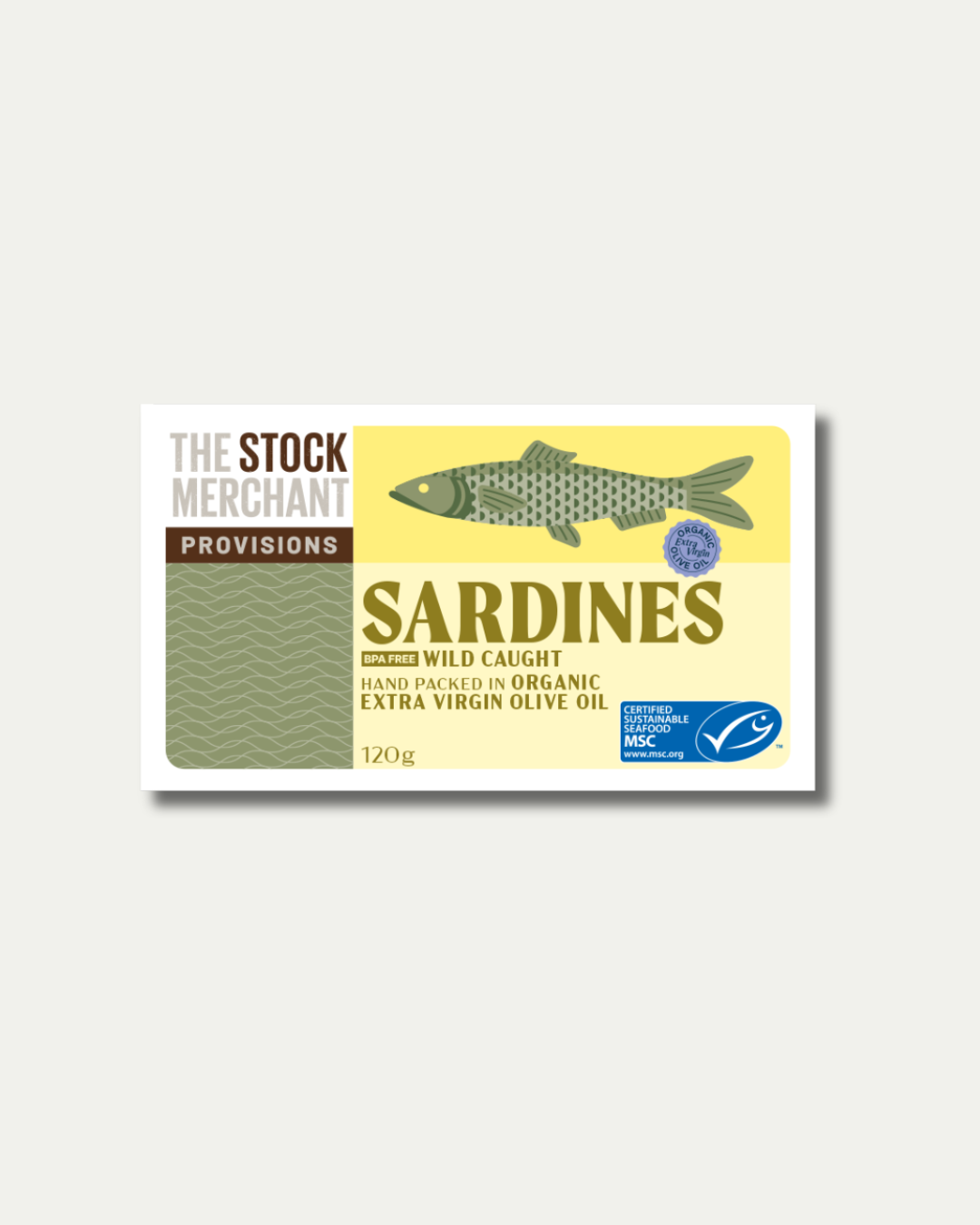
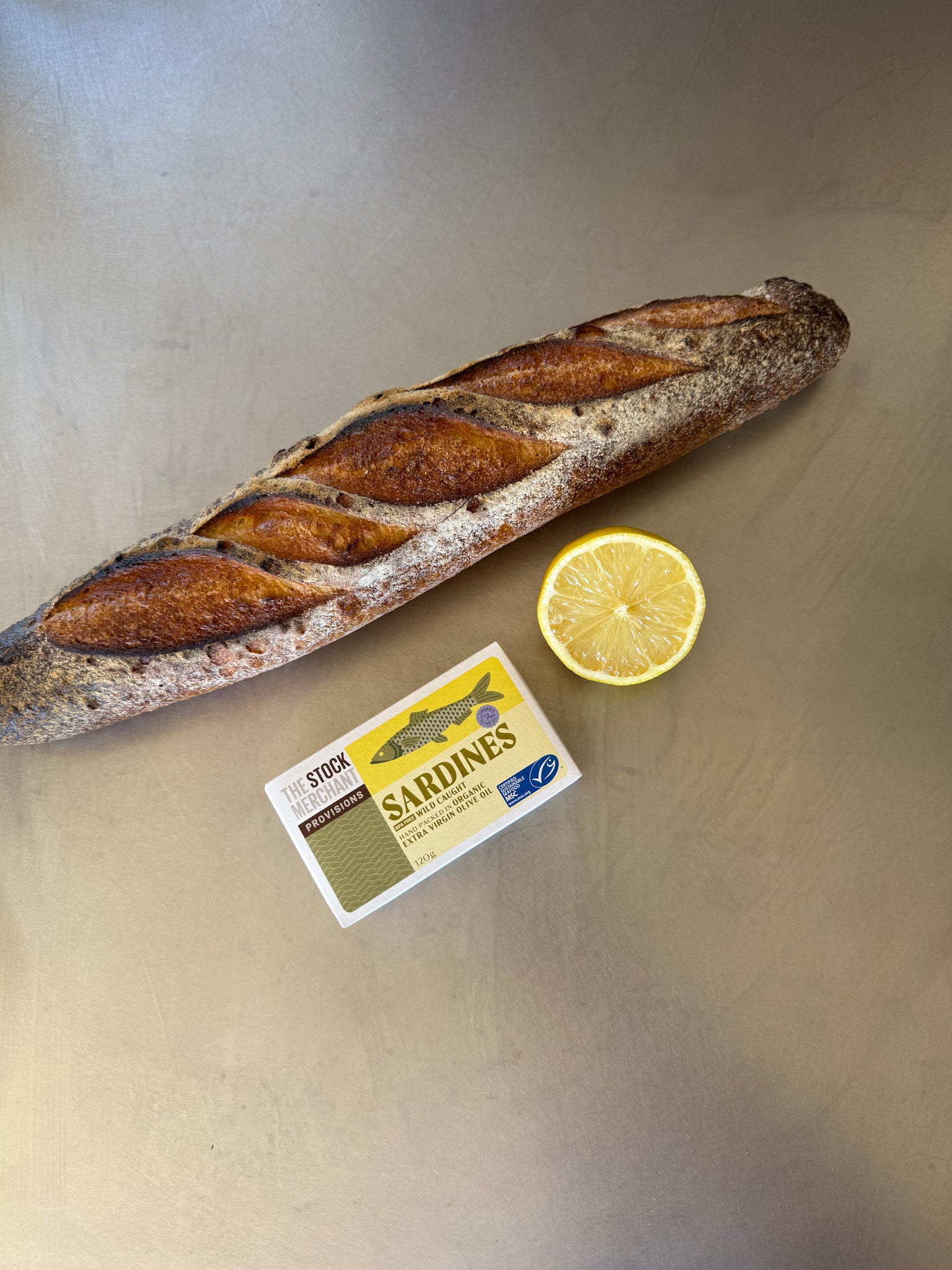
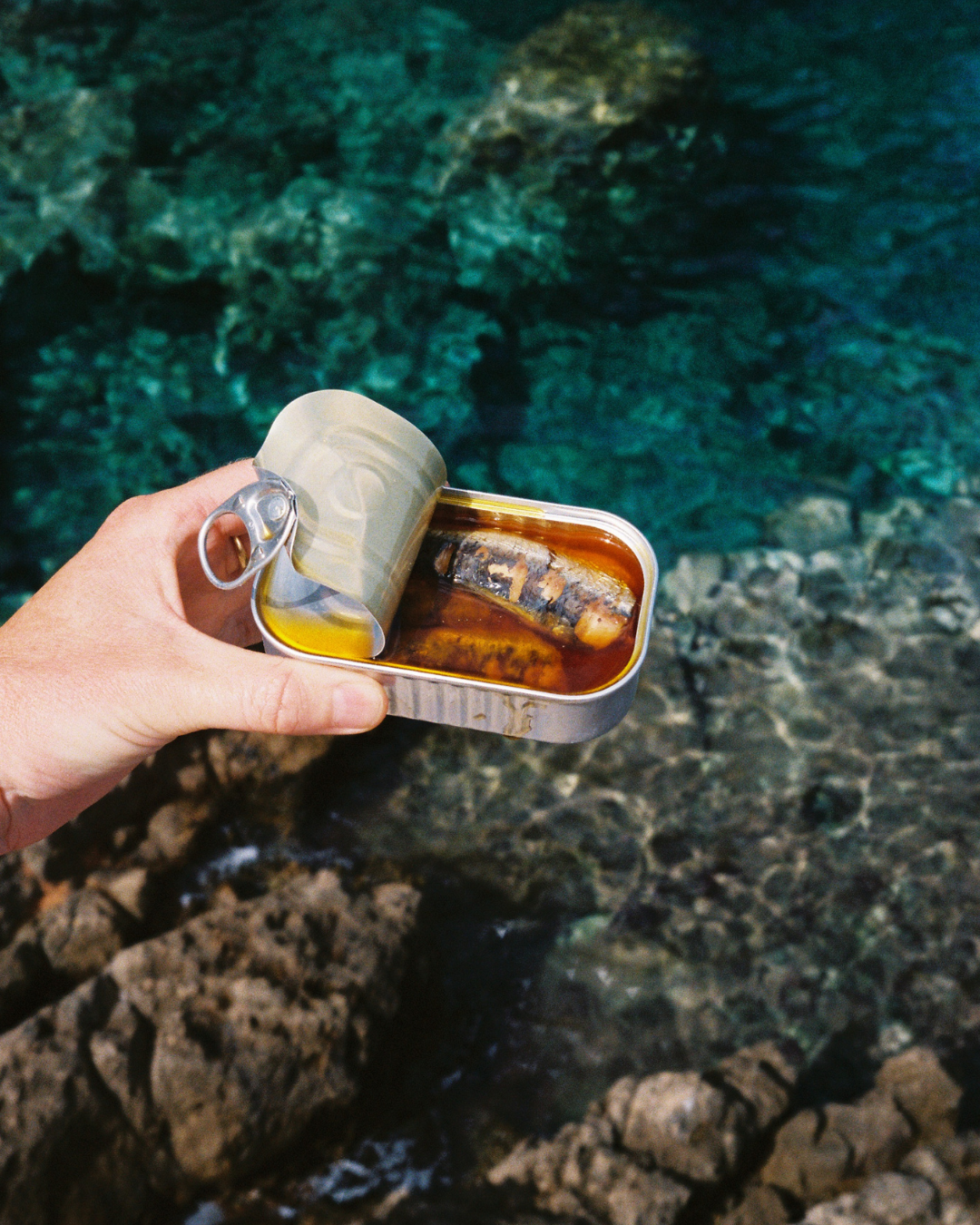
Our sardines and mackerel are wild caught in the Atlantic off Portugal using small-scale purse seine, then hand filleted and packed there.
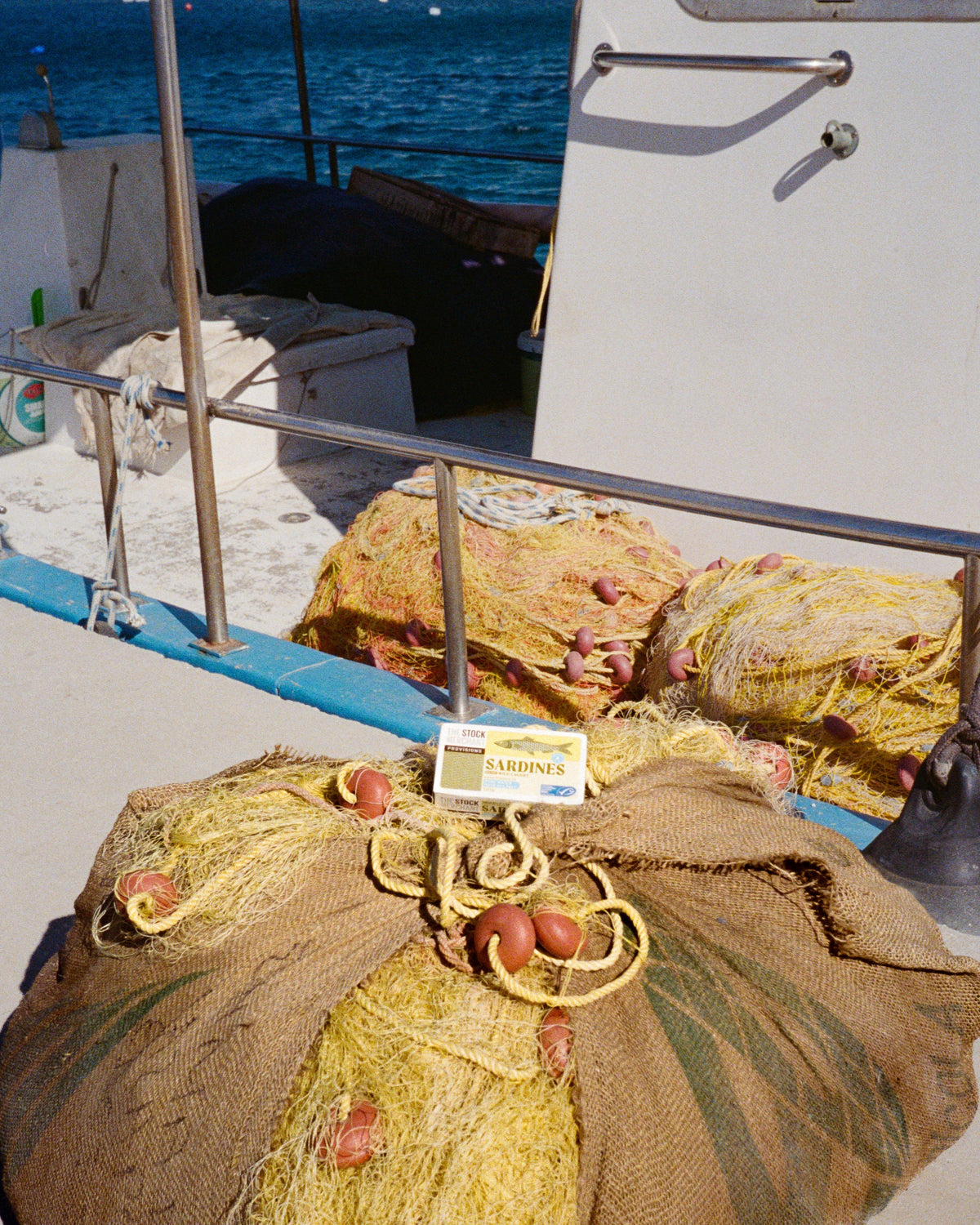
A few months ago we stood on a dock in Porto at sunrise, watching sardines come off a boat called the Pedro André. Seagulls everywhere. Crates of silver fish packed in ice. Fishermen who have been doing this their whole lives, mostly the way their fathers did.
The fish are netted at night, when sardines school near the surface, and landed at first light. From the dock they go to auction, then to the cannery, often within hours of leaving the water.
Portugal has been canning fish since 1853, when the first conserveira opened in Matosinhos. That's the same Porto fishing harbour we were standing in. By the 1930s there were more than 150 canneries along that coast, and conservas had become part of the national identity, helping feed Europe through two world wars.
Most of those canneries are gone now, lost to globalisation and consolidation. The ones that survived did it by refusing to cut corners. Fish still selected, filleted and packed largely by hand, one tin at a time. That's who we work with. When you open one of our tins you're opening 170 years of craft.
The Cantabrian Sea: anchovies
Our anchovies are caught in the Cantabrian Sea, then filleted and cured in Italy using traditional methods.
The Cantabrian is a small, cold, biodiverse pocket of the Atlantic off northern Spain. Its anchovies are the ones chefs ask for by name. They grow plumper and firmer than anchovies from warmer water, which is why the region has been the reference point for good anchovy for well over a century. The fishery is MSC certified and harvested within sustainable yields.
The curing and packing happens in Italy, with a producer whose anchovies have the depth of flavour you'd find on a good European holiday rather than in a supermarket jar.

South Korea: oysters
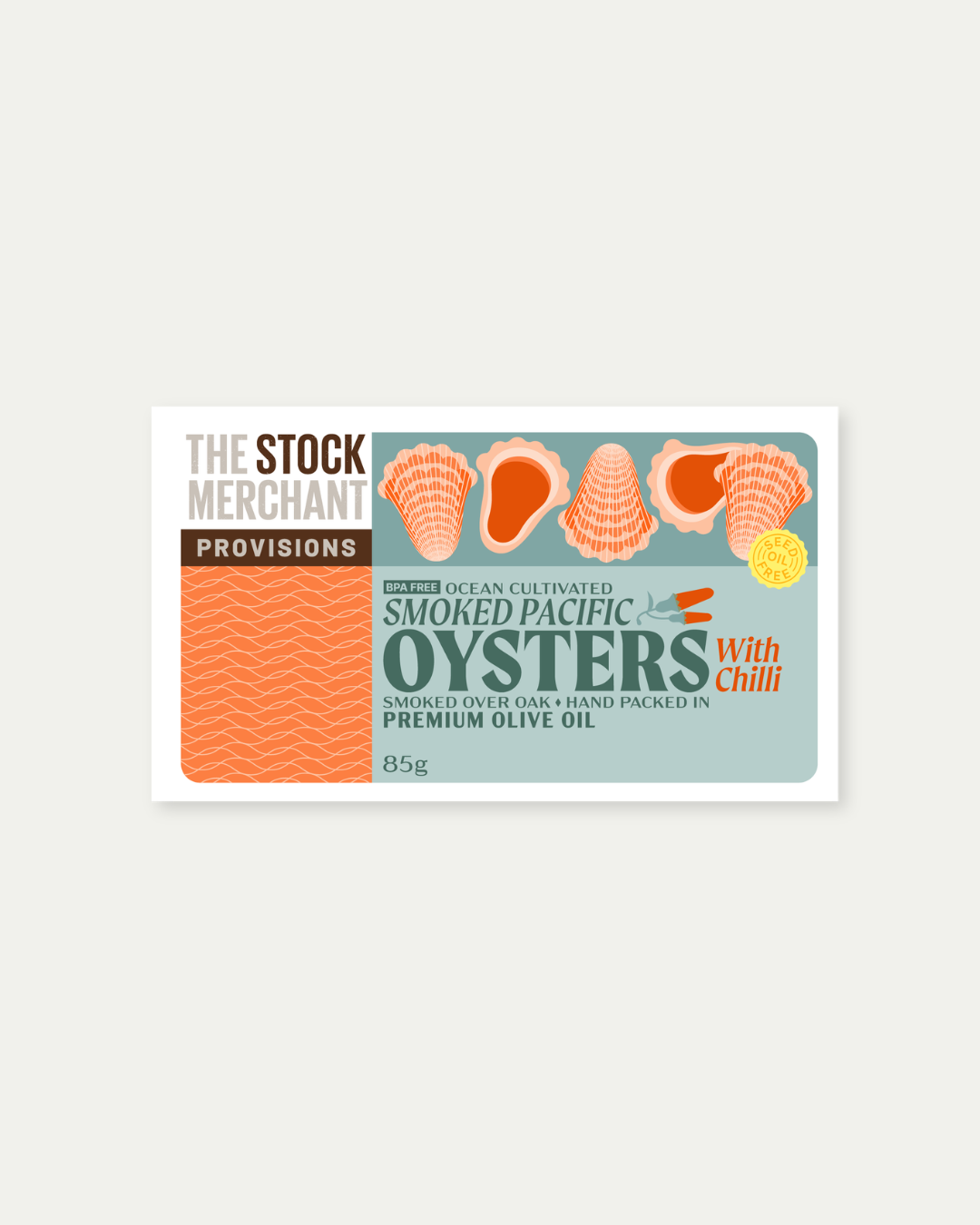
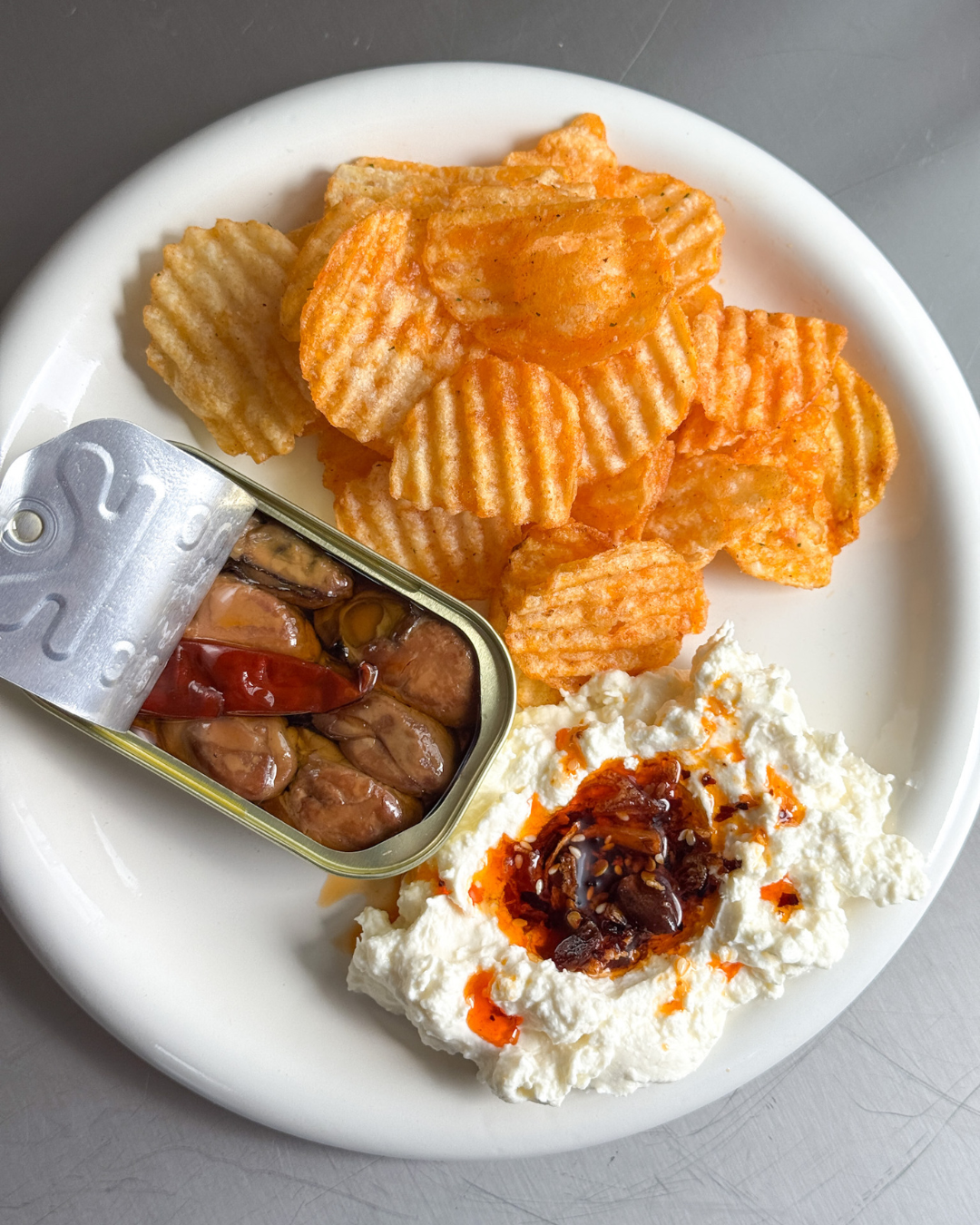
Our Pacific oysters are ocean cultivated in the protected shallow waters off South Korea, then shucked fresh, smoked over real oak and hand packed there.
Ocean cultivated means grown in the open sea rather than in tanks. They feed on nutrients in the water and develop the same character as wild oysters, which is not something you can say about most farmed shellfish. Korea has been growing oysters this way for a very long time and does it, in our opinion, better than almost anywhere.
Two ingredients go in the tin. Oysters and olive oil. We don't even need to add salt due to the saltiness of the oysters.
Alaska: salmon
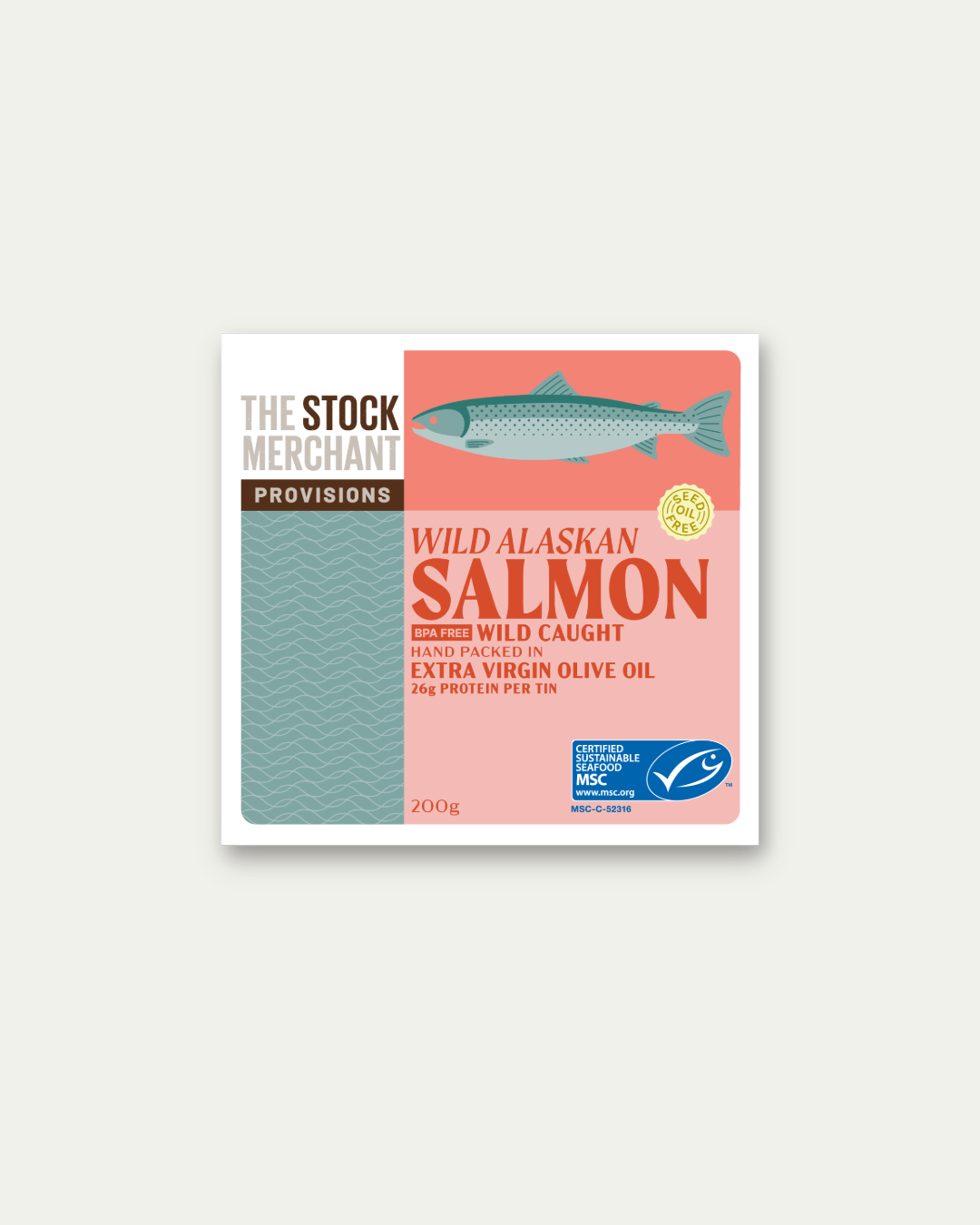
Our salmon is wild caught pink salmon from Alaskan waters, MSC certified with full chain of custody.
Alaska and Canada have, in our opinion, the best wild salmon fisheries in the world. The reason is that the US and Canada treat wild salmon as an asset to protect rather than a resource to extract. Catch limits work on escapement, which means enough fish have to make it upriver to spawn before anyone is allowed to take the rest.
Wild salmon is also seasonal in a way tinned fish buyers rarely think about. It's caught in a short window. So unless it's tinned on the day it's landed, it's filleted and snap frozen at catch and processed through the year from there. That's standard practice for all Alaskan salmon, ours included.
Why does the salmon tin say Made in Thailand?
Because that's where it's packed, and Australian labelling law requires the pack to state where a product was made rather than where the fish was caught.
The fish is Alaskan. It's caught in Alaskan waters, snap frozen, and sent to a producer in Thailand who packs it into tins. They're highly reputable, hold all the top international food safety credentials, and meet our quality standards, which is why we chose them. But because the packing happens in Thailand, the label says Made in Thailand.
That looks odd on a tin of Alaskan salmon. But we're very comfortable with it because the MSC certification includes a fully audited chain of custody, which tracks the fish itself from the certified fishery through every step to the tin. The certification follows the salmon, not the factory. It's how we can tell you the fish is wild Alaskan and be held to it, whichever country the tin was sealed in.

What does MSC certified actually mean?
It means an independent body assessed the fishery, and that a separate audited chain of custody tracks the fish from that fishery to the tin. Two parts, and both matter.
1. The fishery standard. An accredited third party assesses whether stocks are healthy, whether the fishing method limits its impact on the wider ecosystem, and whether the fishery is well managed. Those assessments are public. The Cantabrian Sea purse seine anchovy fishery and the Alaska salmon fishery are both listed and anyone can look them up.
2. Chain of custody. Every business that handles the fish between the boat and the tin has to be separately certified and audited, so certified fish can't be swapped for uncertified fish along the way.
It's not a label we pay for and forget about. It's the reason we can tell you where your fish came from and mean it.
Which of your fish are MSC certified?
Four of six. Our sardines, tuna, anchovies and salmon are MSC certified. Our mackerel and our oysters are not.
The mackerel is wild caught off Portugal by the same producer, in the same waters, using the same method as the sardines. The fishery just isn't MSC certified. The oysters are cultivated so the MSC standard doesn't apply to them.
We stock both because we think they're excellent, and because shellfish ocean cultivation is an amazing way to produce protein while cleaning the sea (one can think of oysters as the water filters of the sea). But excellent is our judgement. MSC is somebody else's. Those are different things and you should know which one you're getting.
The Bottom Line
- The Stock Merchant sardines, mackerel are wild caught in the Atlantic off Portugal and packed in Portugal.
- Our tuna is caught worldwide in MSC certified fisheries and processed and packed in Portugal
- Our anchovies are caught in the Cantabrian Sea and cured in Italy.
- Our oysters are ocean cultivated and hand packed in South Korea.
- Our salmon is wild caught pink salmon from Alaska, packed in Thailand
- None of our fish is Australian. Australia has no tinned fish industry at the scale or standard we need.
- Four of our six fish are MSC certified. The mackerel and the oysters are not.
Sources
- Marine Stewardship Council, Alaska salmon fishery
- Marine Stewardship Council, Cantabrian Sea purse seine anchovy fishery
- MSC Chain of Custody Standard
- ACCC, country of origin food labelling